01Licensed and Insured
Work is handled by tree-service professionals who meet appropriate licensing and insurance requirements for the services they perform. That baseline is especially important when crews are climbing, operating saws or aerial equipment, moving heavy wood, or working close to homes and public areas.
02Qualified for the Work Accepted
Crews should only accept jobs they have the experience, personnel, and equipment to perform safely. Specialized tree conditions may require arborist-qualified evaluation or additional technical expertise before a recommendation is made.
03Professional Equipment
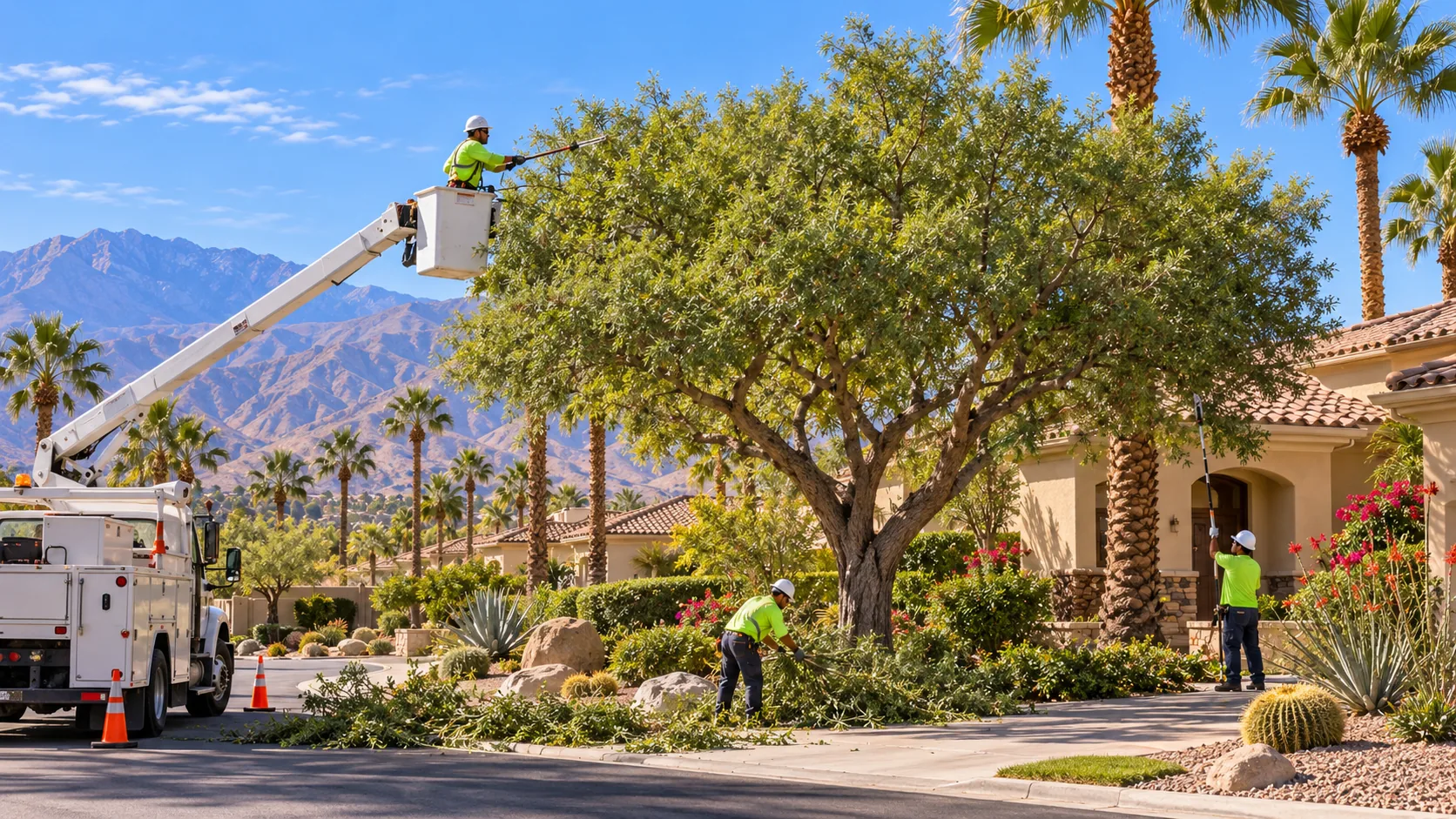
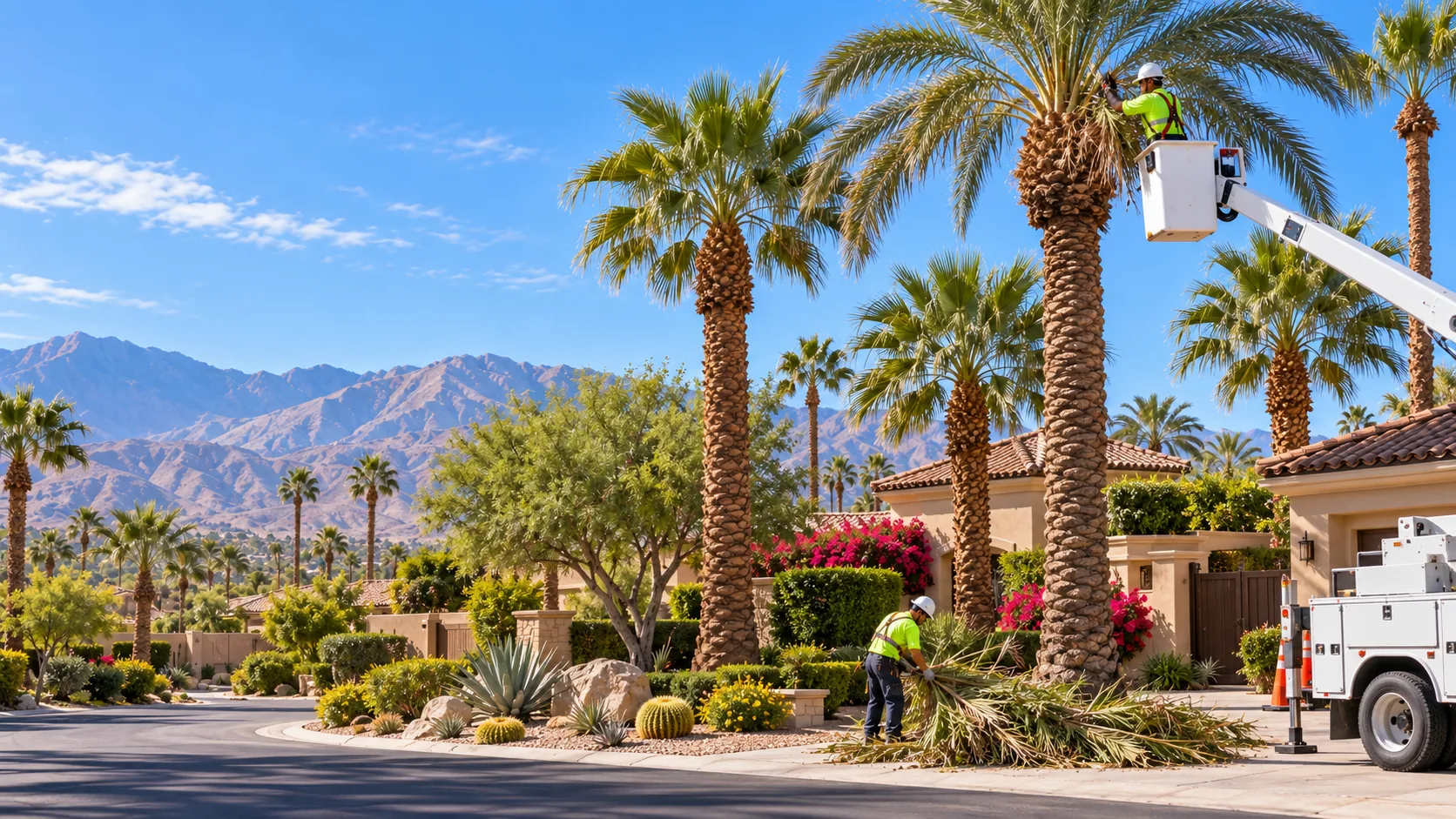
Tree work may require climbing systems, saws, rigging, chippers, stump grinders, aerial equipment, hauling equipment, or other job-specific tools. The equipment used should fit the scope rather than forcing the scope to fit the equipment available.
04Clear Estimates and Scope
Customers should understand what is being trimmed, removed, ground, hauled, or left in place before work begins. Material changes should be discussed and approved, and the estimate should make clear whether cleanup and finish work are included.
05Respect for the Property
Good tree service includes planning around roofs, walls, landscaping, irrigation, vehicles, pools, hardscape, neighboring property, and access points. Where heavy material must pass through finished areas, protection and debris paths should be considered before cutting starts.
06Safety First
Hazardous trees, heavy limbs, palms, climbing work, rigging, power-line proximity, and equipment operation require appropriate precautions. Energized conductors may require utility coordination or specially qualified personnel.